What We Know Post-Election: Dialogue & Deliberation is More Critical than Ever

The Presidential election and the week following has brought the deep divides in this nation to a head, and brought to light numerous issues in our country. The results show us that huge swaths of the country feel unheard and anxious about the future, and sadly, many responses to the election and events taking place in its wake have highlighted issues of pent up frustration, racism, bigotry, and more. flag-cracked

We don’t know for sure what the coming weeks, months, and years will bring, but we do know this: dialogue & deliberation is more critical than ever. Our community may need some time to process this and think about what to do next, but we know our involvement is essential to helping bridge our divides, addressing substantive disagreements, and finding ways for us to work and move forward together as a nation.

The Needs We See & Our Network’s Response

There are many different needs that our country and our communities have right now, but we see a few key needs that stand out as ones that are especially suited for D&D solutions: bridging long-standing divides, processing hopes and fears together, encouraging and maintaining civility in our conversations, and humanizing groups who have become “the other.”

We at NCDD have been discussing bridging our divides all year, and we have an ongoing campaign focused on that work, but the election highlights that need even more. The partisan divide is always there, of course, as well as our historical racial divides. But the election also highlighted the disconnect between rural and urban communities, between people who attended college and who didn’t, and between people from different class statuses. The D&D community needs to be responding to all of these divides – exploring their origins, understanding how they impact people, and imagining how we can dissolve them. Essential Partners just released a Guide for Reaching Across Red-Blue Divides that can be a helpful tool for these needed conversations, and there are more.

After the election, people also need to process and reflect. There is a critical need for dialogue right now where people can express how they’re feeling and explore their hopes and worries for the weeks and months to come. Processes like Conversation Cafe are easy access points for people looking to have a dialogue to reflect on the election as well as what they’d like to see happen now. It’s a tool that provides the structure people need to have thoughtful, respectful conversations in person, and Essential Partners’ work to engage people about what happens #AfterNov8 is a good social media complement.

There is also a need – possibly more than ever – for civility in our discussions that allows us to disagree without attacking each other. D&D practitioners have our work cut out for us in helping people approach both public and private post-election conversations with civility and respect. Several NCDD members are leading efforts to maintain and restore it, with the National Institute for Civil Discourse leading the charge in their Revive Civility campaign, yet much more is needed.

fatima-talkingFinally and maybe most importantly, the country needs help finding approaches to humanizing the people and groups that have become “the other” – unapproachable and unredeemable caricatures – to our own groups. Conservatives are feeling unfairly vilified and misunderstood. Many immigrants, Muslims, and women are feeling threatened, at risk, and unwelcome. NCDD is continuing to support this work and promote collaboration through our new Race, Police, & Reconciliation listserv, and Not In Our Town has many resources for opposing bullying and hate groups that we recommend checking out. But this strand of potentially transformational D&D work needs much more energy and investment devoted to it in coming months and years.

Share What You’re Doing

As we look ahead, we want to ask NCDD members and our broader network, what work are you doing in response to the election and the issues that have arisen? What resources can you share to help others at this time?

Please share any efforts you are making, ideas you have, resources or tools you know of that could be helpful in the comments section of this post or on the #BridgingOurDivides campaign post. We learn so much from being in communication with one another about what we’re up to. NCDD will continue to share your responses on the NCDD Blog and our social media using the hashtag #BridgingOurDivides to continue lifting up stories and resources to a broader audience, and we’ll be working to compile the best divide-bridging resources in our Resource Center.

Furthermore, tell us what you think we can be doing together as a community to address the post-election landscape. Let’s talk with one another about how we can work collaboratively to engage the public and bring peaceful interactions and greater understanding to everyone.

It’s clear there is a lot of work to do to help our country come together, and heal the divides this election season has unearthed or widened. Our community is well suited to do this work, and we call on all of us to be supporting one another in our efforts.

Continue the conversation with NCDD on social media: FacebookTwitter, and LinkedIn.

NCDD Launches Listserv on Race, Police, & Reconciliation

Link to NCDD listservsThere were many connections made, collaborations started, and projects launched during our NCDD 2016 conference last month in Boston. But there’s one initiative that we want to specifically highlight today and encourage our NCDD members to support.

As NCDD 2016 participants dug into the conference theme of Bridging Our Divides, two important and related divides were clearly feeling urgent for participants – our nation’s racial divides, and the parallel divide between police and the communities they work in. During several conference workshops, conversations in the hallways, and during the plenaries, our NCDD members were also exploring and sharing ideas about the power of truth & reconciliation processes to possibly help our nation address such issues, asking themselves not only what D&D practitioners can do to play a more active role in growing work aimed bridging these fraught divides, but also, what are we already doing?

That’s why NCDD is launching a new email discussion listserv that we hope will serve as a space where we can continue to share and discuss ideas, tools, projects, and resources about race dialogue, community-police dialogue, and truth-telling & reconciliation work. We encourage anyone in our network who works on, studies, or has an interest in race relations, community-police relations in the face of violence, or broader truth-telling and reconciliation processes to join this email list to network and share with others who work in these areas.

Join the Discussion Today

You can subscribe to the Race, Police, & Reconciliation Discussion List by sending a blank email to race-dialogue-subscribe-request@lists.ncdd.org. Then once you’re subscribed, you can send messages to everyone on the list by emailing race-dialogue@lists.ncdd.org.

We know that there many NCDD members – and even more outside of our network – already engaged in ongoing dialogue efforts across historical racial divides and doing the difficult work of trying to help everyday people angry with police to hear and be heard by law enforcement officials. And we at NCDD want to try to harness that collective energy and catalyze even more collaboration among those who are seeking to strengthen that work or move it towards real healing and reconciliation.

We believe that our D&D field has a special role to play in making substantive progress about how we move forward together as a country on these difficult divides, and we invite you to join us on this new discussion listserv to begin figuring out just how we do that.

Learn more about NCDD’s many other discussion and updates listservs at www.ncdd.org/listservs.

Participate in NCDD’s #BridgingOurDivides Campaign

As the election winds down, ballots are counted, and the debates about the many decisions on the ballot finally have clear outcomes, we have arrived at a time when we as a field need to take stock of what we should do next. A major theme of our NCDD 2016 conference in Boston was how D&D practitioners can help repair our country’s social and political fabric, both after this bruising and bitter election year, but also in light of many of the longer-standing divisions in our country.

NCDD has made an ongoing commitment to answering that question, and as part of that commitment, we are calling on our members and others to enlist in our new #BridgingOurDivides campaign!

In this new effort, NCDD is asking our members to help us collect information about the projects, initiatives, or efforts that you and others are undertaking to help our nation heal our divisions and move forward together, with a special focus onncdd_resources collecting the best shareable resources that folks are using to support or spark bridge building conversations in the aftermath of the election and beyond.

To do that, we ask that you share about those efforts and resources in the comments section of this post – post your links, write ups, reports, and descriptions that will help NCDD and others learn about divide bridging efforts you’re connected to, whether they are election-related or not.

In addition, we want to foster a broad conversation about what our field is doing and offering to bring people together to discuss difference and find common ground, so we are encouraging everyone to join the conversation on social media by sharing those comments, resources, links, and thoughts about this work using the hashtag #BridgingOurDivides. This will be a great way to increase the visibility of our field’s work, and we hope it also increases support for NCDD, so we encourage you to include a link to NCDD’s “Get Involved” page at www.ncdd.org/getinvolved, too! (You can also use the shorter bit.ly/ncddinvolve for tweets.)

There are already some great efforts to bring people together across divides in the NCDD network now:

  • The Utah Citizen Summit is being convened by the Salt Lake Civil Network and the Bridge Alliance as part of the ongoing effort to help bridge partisan divides
  • Essential Partners is working to start forward-looking, post-election conversations on social media with their #AfterNov8 hashtag, which we encourage everyone to participate in alongside the #BridgingOurDivides conversation
  • The Americans Listen project is calling on everyday people to have empathetic, one to one listening conversations with Trump supporters about both what they find appealing about his message and what keeps non-supporters from really hearing their concerns

These are just a few examples of projects that are #BridgingOurDivides, and we know that the NCDD network is full of thoughtful, creative people engaged in many more. So tell us – what are you doing or planning to do that is bridging our divides? Not just the divides exposed or widened during the election, but the ones that were there before as well? Share all about it in the comments section below and on social media!

Our nation’s divides, whether related to the election or not, didn’t emerge over night, and they certainly won’t be bridged overnight either. But we at NCDD believe they can be healed – one conversation at a time. Join us in helping the world see how, and support us in this effort.

How D&D-Journalism Partnerships Hold “Infinite Potential”

Our media collaborations panel during the NCDD 2016 conference had the whole room buzzing. NCDD member Peggy Holman facilitated a conversation between accomplished journalists and conference participants on how the D&D field can create stronger partnerships with media makers, and we uncovered some very powerful possibilities for D&D-journalism collaborations.
One of the panelists was Chris Faraone of the Boston Institute for Nonprofit Journalism, and he recently penned an article reflecting the conference and those possibilities. In it, he shared advice for how our field can bring them to fruition that we hope our members will take to heart, so we encourage you to read the piece from Chris below or to find the original version here.


Talk Kin: Where Journalism Meets Dialogue and Deliberation

“Where the heck have you all been my whole career?”

I found myself thinking and saying such things repeatedly at the National Conference on Dialogue & Deliberation, which was held outside of Boston two weeks ago. I only learned about the host group, the National Coalition for Dialogue & Deliberation (NCDD), a few months earlier, but by the time its members came to Massachusetts for their biannual gathering I felt like I was meeting long-lost cousins.

Other realms cross over into media as well  –  from research and academia, to public relations, to technology and programming. But while several virtually simpatico professional alliances may lurk out there, the discovery of Dialogue & Deliberation  –  or simply D&D for the initiated  –  was particularly surprising and exciting. Comprised of voices from a wide range of fields, from life coaches and lawmakers to psychologists and social workers, they’re primarily communicators, and are therefore kin to any journo worth a damn.

The theme for NCDD 2016 was “Bridging Our Divide,” a timely guideline amidst so much partisan crossfire and political warfare, but also a reference to how the D&D community is ready to engage new partners and expand. In their welcome letter, NCDD Executive Director Sandy Heierbacher and Program Director Courtney Breese wrote that they hoped attendees would “take a systemic look at why so many initiatives in our field [D&D] are underfunded and under-reported,” and added that their intention for the weekend was to “provide an opportunity to build a new foundation of relationships … and create new momentum.”

Which is where I entered the picture. This year NCDD tapped Journalism That Matters, a nonprofit that convenes conversations (one of which inspired me to start the Boston Institute for Nonprofit Journalism nearly two years ago) to foster collaboration, to help bridge individuals and outlets doing D&D with those involved with journalism.

According to JTM Executive Director Peggy Holman, “the engagement space is where journalists and communities intersect,” and after taking in the conference and participating in the final plenary which examined this topic, I’m happy to report that I believe there’s absolutely infinite potential in a D&D and journalism matrimony. I have no doubt that deliberation is an industry that I will write about, revisit, and consider for years to come; for now, here are my takeaways from the NCDD event neatly parsed into two sections: comments that I heard in last week’s sessions that are relevant to my reportorial experience, and ideas for how these fields can start co-functioning.

ENGAGED MINDS THINK ALIKE

“We need to take this work to a whole new level. There’s a need for media organizations that are tied to the community in a meaningful way.”

This is essentially the whole idea driving our nonprofit journalism model. Whereas many university-based incubators recruit staff from the top J schools and provide content to major outlets, BINJ proudly works with freelancers and even advocates from the communities we cover, and primarily publishes through local, independent, and ethnic news outlets. In short, we’re the kind of grassroots operation that has open arms for interesting collaborations.

“Build on what’s already happening. We need to get people where they already are.”

Yes. Yes. Yes. Yes. This was a major part of the idea behind BINJ, which is not a publication in and of itself but instead boosts and adds to other outlets. As it relates to how we can connect with various non-journalistic organizations, D&D or otherwise, my philosophy has always been to harness as much content from the real world as possible. If more reporters did that, if they actually left their desks, there would be less insultingly trite “think” pieces, and hopefully more articles featuring people who really know something.

“There’s a hunger out there not just to be heard, but to be engaged at a level that we haven’t seen before.”

Even I am getting tired of “engagement” growing into such a buzzword of late  –  it’s what journalists should be doing anyway, all day and all week, I can’t stress that enough. Similarly, D&D people may be miffed to see big media organizations getting credit for the kinds of interactive programs, public dialogues, and forums NCDD members have done for decades.

There’s a positive side to said trend as well though. At least from where I’m thinking. I come from the alternative media tradition where people are entrusted to report on situations in which they are stakeholders: women on feminist movements; people of color on civil rights issues; poor people on poverty; students on education. And so on. This is a point of pride, as well as a model on which budding D&D media makers can build in beginning to publish material.

“Learning relationships.”

This is just a phrase I heard a few times that resonated with me. Considering how bad reporters (including myself on occasion) can be at building with our sources, as opposed to simply prodding them for quotes, we can all use a reminder of how learning should be symbiotic.

“So that we can tell the world our story. So this work can get out in the public.”

This may be even easier than many dialogue specialists realize. Or maybe they realize that there are some awesome opportunities to get the word out about everything they’re doing, but feel as if there’s some kind of technological roadblock. I’ll address this more below, but there are no such impediments. All you need is time or hired guns, and every last critical deliberative note can be disseminated widely via social media and other channels.

LET’S GET IT STARTED

Consider journalists your friends.

Members of the media are potential pals and allies to the D&D world, or at least we should be. Furthermore, both groups can collaborate in certain cases, while in others hacks can demonstrate to NCDD members how to generate media, since opportunities for traditional coverage are dwindling. As some of my esteemed co-panelists at the D&D conference noted, it is increasingly a waste of time for nonprofits, for example, to hassle journalists for favorable ink.

Even if one does land an occasional story in a newspaper of record, that’s still unlikely to amount to more than a quick hit that’s soon forgotten. This may sound somewhat cliche, but in 2016 it’s more important to generate your own media than it is to send out press releases.

Get involved with local and community news organizations.

This goes back to that line I heard at NCDD: Build on what’s already happening. There may be existing opportunities in your area to get in the same room with reporters, or at least to get thinking like them  –  from Mediabistro meetups, to civic engagement events like those being held by more and more media outfits, from nonprofits to commercial ones. BINJ, for example, has a Community Advisory Board with representatives from various nonprofits and advocacy groups; though we don’t always agree with members, we have spurred instructive dialogue with all of them.

If none of the community, nonprofit, local, or alternative outlets in your area have a comparable mechanism for input, maybe D&D experts can help get something started.

Start chronicling your D&D work.

A lot of people in the D&D world are already doing reporting in some way  –  they’re just not always publishing the fruits of their hard work, or organizing assets in a fashion fit for mass consumption. Think of the possibilities though  –  from starting a podcast or a cable access show, to taping and transcribing certain dialogues to create oral histories.

The production of compelling content on a regular basis, even in micro-installments on social media, will require somebody with press savvy or even real newsroom experience to curate and edit. But as I noted on my panel at the NCDD conference, no matter who is making the media, it’s important that they stop thinking of the task as public relations, and start considering themselves storytellers.

You can find the original version of this piece by Chris Faraone of BINJ on Medium at www.medium.com/binj-reports/talk-kin-686f7f501427#.rlsrt0357.

Join the #AfterNov8 Conversation on Bridging Our Divides

During the NCDD 2016 conference, we focused on how our field can help bridge our divides after such a toxic and divisive election cycle, and now team at NCDD member organization Essential Partners have launched an effort to continue that conversation on social media. It invites us to share their hopes and goals for how we move forward as a country after Nov. 8th by making a video, a voice memo, or posting on social media, all using the hashtag #AfterNov8 – we encourage our members to participate!

We think this can be a powerful way for our field to shift the conversation to moving forward together as we transition out of the election, so we hope you’ll add your voice! You can read more about the #AfterNov8 campaign in Essential Partners’ blog post below or find the original version here.


#AfterNov8 Launches

Essential PartnersThis election season, we’ve spent a lot of time obsessing about November 8th. We watch debates, we share memes, we pore over maps, heralding the candidate of our choice and criticizing their opponent. But little attention has been paid to what happens after November 8th.

What do we do after the election? How do we heal? The fact remains that we have to live and work together. No matter the winner of this election, it will not undermine our responsibility to do meaningful work over the next four years.

Whether we have a President Trump or President Clinton will not change the need to volunteer in our schools, to work toward racial reconciliation, to commit to supporting refugees from war torn nations, to supporting our veterans and soldiers, to help families in need, to living out our professed beliefs that all people are created equal.

So we want to hear from you… not about your hopes for this election, but for our lives and our nation after November 8th.

  • What do you wish for us as a nation after Nov. 8?
  • What do you hope we can work on together?
  • What issues do you hope we will meaningfully address?

Using #AfterNov8, please share your perspective on social media. We’ll be sharing some of the ones we’ve collected. Email us your audio or video file(s) and we’ll integrate them into our story. Ask your family, friends, students, neighbors to join the conversation.

Please consider sharing your voice with us directly – we’ll integrate it into a video debuting next week!

Here are images for you to share on Facebook and Twitter.

You can find the original version of this Essential Partners blog post at www.whatisessential.org/news/afternov8-launches.

Utah Citizen Summit: Bridging Divides After the Election

For those eager to continue the conversation we began at NCDD 2016 about how to bridge our nation’s divides after the election, we encourage you to attend or tune in to the Utah Citizen Summit on Nov. 12th in Salt Lake City. The day-long event has been organized with the help of many NCDD members, and the centerpiece of the event, a conversation across partisan divides about the common good, will be livestreamed. You can learn more about the Summit in the announcement below from NCDD Sustaining Member John Steiner, or by clicking here.


An Invitation to Participate in a National Conversation

The national heart of the Utah Citizen Summit – to be held on Saturday, November 12th in Salt Lake City – is an afternoon, 90-minute dialogue, which will be facilitated by Mark Gerzon, with a leading Democrat, Republican, an Independent, and a major civic leader. The animating question will be: Now What? After this election how can we, as Americans, come together across our many divides to address challenging issues and to work for the common good?

We’ll be asking the following or similar questions of our participants:

  1. Now that the election is over, what are your hopes and dreams for Americans coming together?
  2. How might we learn to better live with our differences – with greater mutual respect and honor, with civility and compassion – in order to address challenging issues and to make progress for the common good?
  3. What first step might you (and your organization) be willing to take to help make this possible?

This conversation will be live streamed and recorded.

With the intention of recreating our public square – as Hannah Arendt once said, “Democracy needs a place to sit down” – we would like to catalyze similar conversations around our country after the election and before the inauguration. We’re reaching out to national organizations and networks with which we’ve been involved to see who might want to host similar dialogues in their communities, whether in living rooms, public libraries, at universities, etc.

The questions we’ll be asking can serve as a template or model. While we encourage local facilitators or Living Room Conversation hosts to follow this format, anyone can certainly create their own questions within the spirit of our session in Salt Lake City.

We have a website – www.utahcitizensummit.org – which is being enhanced so that dialogues can be registered and results reported, harvested, and shared with those involved.

Many thanks for considering participating,

John Steiner & the Utah Citizen Summit team

P.S.: Online collaboration resource

Our wonderful Salt Lake City colleague, John Kessler, who is largely responsible for the Utah Citizen Summit, is also offering the following as part of our national outreach process, for those communities who would like to participate in a more ongoing way:

One of the deeper purposes of the Utah Citizen Summit is for communities to be creative and emergent in becoming more civil, compassionate, inclusive, and collaborative in conversation, policy making, and action. In addition to connecting around the Utah Citizen Summit, we have an interactive web tool, which, on an ongoing basis, can provide a convening space for communities in an interactive, collaborative, online learning and practice environment. There exists the capacity to do this locally, nationally, and/or globally in an online environment, where communities and community based groups meet, connect, co-learn, and collaborate.

We have developed developed this resource in partnership with uBegin, a web based platform. Our civil network can now do this in a partnering way and invite other communities into this space. We’d like to make this available more broadly. Please let me know if you’re interested in exploring this option.

You can find more information on the Utah Citizen Summit at www.saltlakecivilnetwork.org/utah-citizen-summit.

NCDD 2016 Preview: More Featured Speakers!

We hope that you are as excited as we are for NCDD 2016 to kick off next week after seeing this week’s previews of our great plenary features! It’s still not too late to register for this incredible event, but time is running out, so register today!

In addition to all the amazing practitioners and innovators who will be featured during the great workshop sessions, we will also be lifting up the voices of some remarkable leaders in our field who will share important insights they’ve gained from their work, that we can all learn from. Just to give you one more taste of how much there will be to experience at NCDD 2016, we want to introduce them here.

Our Featured Speakers

Betty Knighton, Director of the West Virginia Center for Civic Life

Betty Knighton has been the director of the West Virginia Center for Civic Life since its founding in 1998. A primary focus of her work has been building a network of public dialogue in the state through collaborative partnerships with educational, civic, faith-based, and governmental organizations.

Betty will talk with us about her experiences bridging economic divides, and how this work connects community members, leaders, media, and philanthropists.

Shari Davis, Director of Strategic Initiatives at the Participatory Budgeting Project

Shari is responsible for the strategic development and management of PBP’s network-building work and for launching new high impact PB processes. She joined PBP staff after nearly 15 years of service and leadership in local government. As Director of Youth Engagement and Employment for the City of Boston, she launched Youth Lead the Change, the first youth participatory budgeting process in the U.S., which won the U.S. Conference of Mayors’ City Livability Award. Shari first got involved in city government in high school, serving as the Citywide Neighborhood Safety Coordinator on the Boston Mayor’s Youth Council and working at the Mayor’s Youthline.

Shari will talk with us about creative uses of technology designed by PB participants to bridge physical divides and create welcoming spaces in government. She’l share some key and simple strategies that can allow us to collaboratively move work forward without eliminating human elements.

Kyle Bozentko. Executive Director of the Jefferson Center
Kyle brings a decade of political strategy and public policy experience to directing the Jefferson Center. He received his BA in Political Science and Religious Studies from Hamline University in Saint Paul and his Masters of Theological Studies from the Boston University School of Theology with an emphasis on sociology of religion and politics. His research interests include public opinion research, health and economic policy, and social movements.

Kyle will talk with attendees about his experience working with media and journalists to enhance the reach and impact of his organization’s D&D and engagement work.

Carolyn Lukensmeyer, Executive Director of the National Institute for Civil Discourse
Dr. Carolyn J. Lukensmeyer is the Executive Director of the National Institute for Civil Discourse, an organization that works to reduce political dysfunction and incivility in our political system. As a leader in the field of deliberative democracy, she works to restore our democracy to reflect the intended vision of our founding fathers. In her past role, Carolyn served as Founder and President of AmericaSpeaks, an organization that promoted nonpartisan initiatives to engage citizens and leaders through the development of innovative public policy tools and strategies.

Carolyn will share her perspective on the what she’s seen our field accomplish in the past decades and some lessons those accomplishments can teach about bridging our divides.


We just don’t how else to describe how amazing the NCDD 2016 gathering is going to be, so you’ll just have to come see for yourself! Time is running out – save your spot today!

NCDD 2016 Preview: Race, Police, & Reconciliation Stories

With the 2016 National Conference on Dialogue & Deliberation less than two weeks away, we are continuing to preview the great content we have in store for conference attendees. It’s still not too late to register for this incredible event, but you should register today to save your spot! For those of you who still need more convincing, we want to highlight the powerful set of speakers we will feature during the NCDD 2016 opening plenary.bumper_sticker_600px

Bridging the Race & Community-Police Divides

One of the longest and most visible divides in our country today is the racial divide. Racial division and inequity have a long history in the US, and seem to perennially resurface in our communities and in our politics. In addition, the division between average people – especially people of color – and the police feels like it’s reaching crisis levels with the heightened tensions and conflict rising from seemingly weekly videos of new police violence against unarmed black and brown people combined with the killings of several police officers this summer.

It’s easy to feel hopeless and even afraid about these issues today, which is exactly why we in the dialogue field need to lifting up stories of how people are actively healing our race and community-police divides to show that there is in fact hope. We’ll begin our opening plenary by doing just that.

You can read a bit more about the three practitioners who will be sharing stories with us below, or just register for NCDD 2016 to come hear from them in person!

Our Speakers

Shelby Brown, Managing Director of Everyday Democracy
Shelby is currently the Managing Director at Everyday Democracy, which helps communities talk and work together to create communities that work for everyone. Prior to working at Everyday Democracy, Shelby ran an agency for the State of Connecticut and before that, she served in human resource leadership within the Board of Regents for Higher Education. Shelby has long been involved in community organizing, participatory democracy and racial justice.

We’ll hear from Shelby about how the work she and EvDem are doing is bridging racial divides in communities across the country.

india-geraldIndia L. Gerald, Program Supervisor at Roxbury’s Youth and Police in Partnerships
India serves as the Program Supervisor for Children’s Services of Roxbury’s Youth and Police in Partnerships program, which seeks to build trust and understanding between inner city residents and Boston police. For the past decade, she has worked to support vulnerable and at risk populations. India has extensive experience with Boston-based nonprofits, including Brookview House Inc., ABCD, Go Girl Go! Boston, Dimock and Women Connecting Affecting Change. In addition, to her experience she holds a Bachelors degree in Human Services and a Masters degree in Organizational Management and Leadership.

India will talk about her experiences working to empower young people in Boston to keep the gap between police and young people from growing wider.


Robert Daum, Ph.D., Board of Directors of Reconciliation Canada
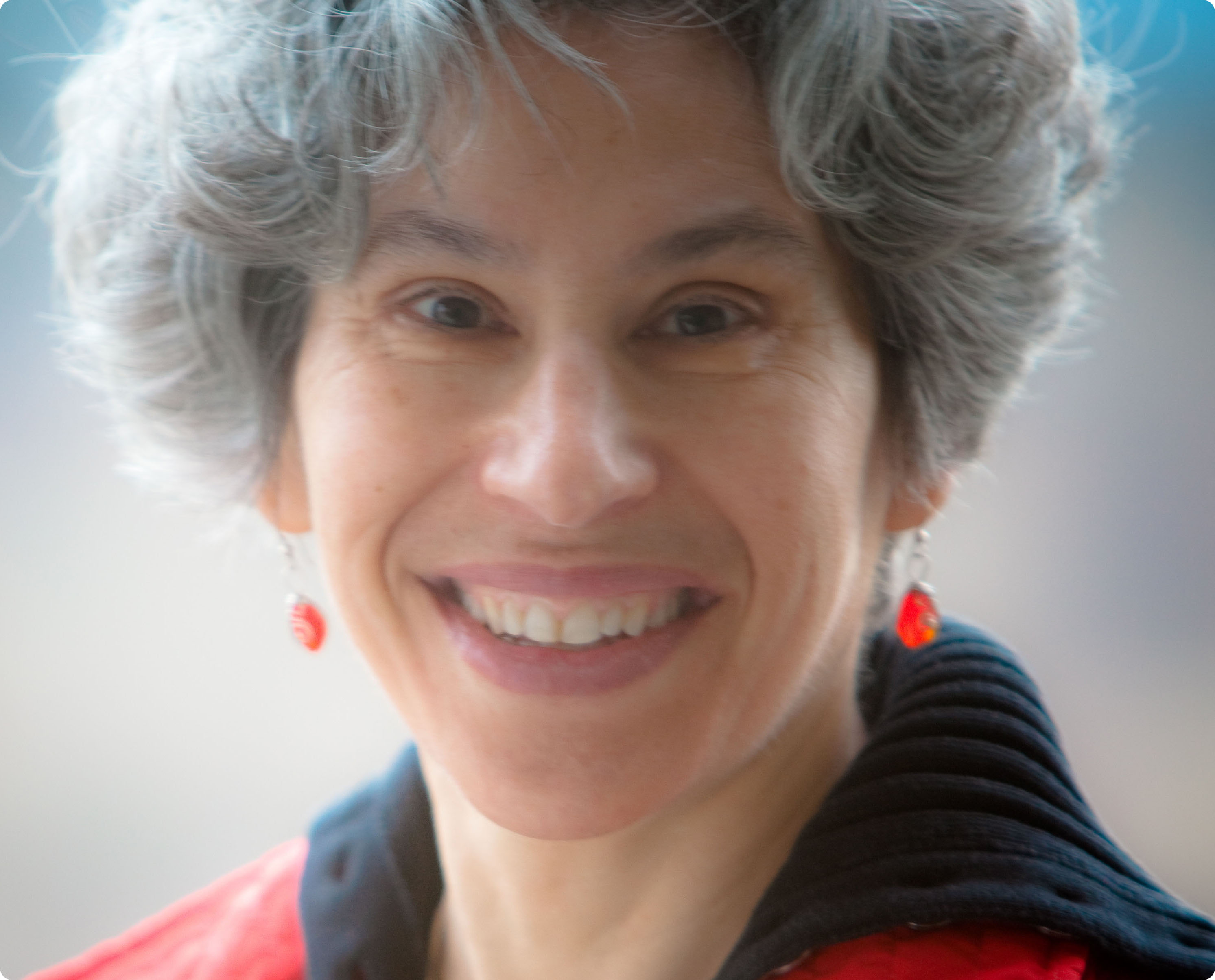
Robert Daum is an educator, researcher/practitioner, and private consultant. He advises on and leads diversity and institutional change initiatives for universities, government, and not-for-profit organizations. Robert serves on the inaugural Board of Reconciliation Canada, which is leading the way in engaging Canadians in dialogue and transformative experiences that revitalize the relationships among Indigenous peoples and all Canadians.

Robert will share a few lessons about bridge building that we in the US can learn from his experiences with the powerful reconciliation work being done between Canada’s indigenous and non-indigenous communities.

You won’t want to miss out on hearing these powerful stories in our opening plenaries or the rest of this amazing conference, so make sure that you get registered to join us!

NCDD 2016 Preview: Our Philanthropist and Media Panels

Our 2016 National Conference on Dialogue & Deliberation is just around the corner – we couldn’t be more excited, and we hope you are too! It’s not too late to register for what is going to be an absolutely amazing gathering! As if you needed more reason beyond our incredible schedule and workshop session list, we also want to share a preview of the two great panel discussions we’ll feature during the plenaries to convince all those fence-sitters to register today!bumper_sticker_600px

Background on the Panels

During two of NCDD 2016 plenaries, we’ll be addressing two interconnected parts of what it takes to bridge our divides – stories and resources. Since 2002, the financial and media landscape of civic life has fundamentally changed to our work’s detriment. Funding on the Left and Right – but not the middle – has skyrocketed, and media spheres have become more siloed and divided than ever.

Money and media attention for the “problem-solving sector” – in which the NCDD network plays a pivotal role – has significantly diminished, despite continued growth and innovation in the sector. So at NCDD 2016, we are addressing these issues directly by providing spaces in the conference where we can take an in-depth look as a field at why so many of our initiatives underfunded and under-reported and how we can reverse this trend to create new momentum for our work. These spaces will take the form of interactive panel events on the topic of philanthropy and media.

Engaging Divides through Media Collaborations Panel

Our closing plenary will feature a conversation with representatives from the media who are engaging with society’s divides and the public in innovative ways. We’ll be hearing from journalists and other media representatives about the ways they are engaging with divided communities and divisive issues, discuss how we can increase the visibility of this kind of work, and learn from and envision new ways engagement practitioners and journalists can partner with one another. In short, our media colleagues will help us explore what’s happening now, what’s emerging for the future, and how we can work together to create innovative ways to bridge our divides and shift the toxic political discourse.

During this final plenary session, we will also ask the panelists to reflect on what they heard during the conference, what excites them, and what possibilities they see for lifting up or creating stories of those who are bridging our divides.

Our Panelists

Peggy Holman (moderator), Co-Founder of Journalism That Matters
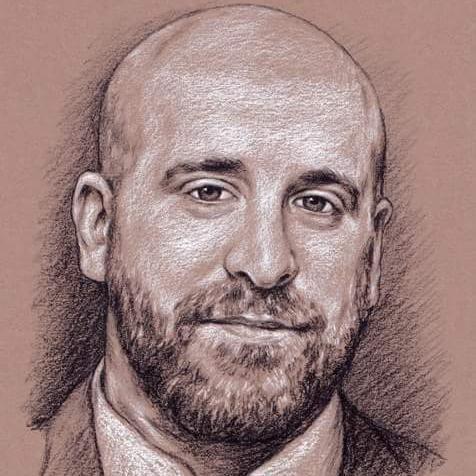
Peggy is a nationally known author and consultant and is a recognized leader in deploying group processes that directly involve hundreds, or thousands, of people in organizations or communities in achieving breakthroughs. In 2001, Peggy co-founded Journalism That Matters (JTM) with three career journalists. JTM has built a national coalition of journalists, educators, reformers and others to support people who are reshapingthe emerging news and information ecosystem. 

Christa Case Bryant, Politics Editor for the Christian Science Monitor
Christa is The Christian Science Monitor’s new Politics editor. She comes to this post fresh off a 2015-16 stint as a Nieman fellow at Harvard, where she explored new models for digital journalism and audience engagement. Ms. Bryant previously served as the Monitor’s Jerusalem bureau chief.


Chris Faraone, Co-Founder of the Boston Institute for Nonprofit Journalism
Chris is an award-winning journalist (AAN, NENPA), a former Boston Phoenix Staff Writer, and the News + Features Editor of DigBoston, a co-founder of the Boston Institute for Nonprofit Journalism, and an adjunct professor of communications at Salem State University. He has more than ten years of media experience, has published four books, and has written features for publications ranging from Columbia Journalism Review to Esquire.


Linda Miller, Director of Network Journalism & Inclusion, American Public Media Group

Linda Miller became a journalist in the small towns of Wyoming, where newspapers were pieced together with hot wax and border tape, and held together by trust, transparency, and a partnership with readers. At American Public Media, she is still helping journalists deepen relationships with the communities they serve, albeit with better technology. Miller runs the Public Insight Network (PIN), a nationally recognized platform for making the news media more relevant, relational, and inclusive.

Ellen Mayer, Community Manager, Hearken
Ellen Mayer became an early Hearken convert when she interned and reported stories for WBEZ’s Curious City. Now she’s excited to foster a collaborative network of public powered journalists as Hearken’s community manager. Previous hats include: digital outreach coordinator for social justice documentaries and producer for the music podcast Pitch.  Excited about: media diversity, One Direction, and Chicago rap.


dr-michelle-ferrier_2015Michelle Ferrier, Ph.D., E.W. Scripps School of Journalism, Ohio University

Michelle Ferrier is an associate professor in the E.W. Scripps School of Journalism at Ohio University. She is the president of Journalism that Matters and the founder of TrollBusters.com, a rescue service for women writers and journalists experiencing online harassment. She is the principal investigator for the Media Deserts Project that uses GIS technologies to examine places in the United States where fresh news and information are lacking.


Philanthropy Beyond Partisan Divides Panel

A frank exchange with funders and philanthropists is urgently needed. On the second day of the conference, our panelists and conference participants will focus on the financial constraints — and opportunities — facing our field. Panelists will share their experiences around funding “bridging the divides” projects and organizations, and share practical ideas about how leaders in this field can be more effective advocates for their work during conversations with funders. Meanwhile, conference participants will challenge panelists with their provocative, timely questions and commentary about the role that funders play in the development of the D&D field.

Our Panelists

Mark Gerzon (moderator), President of Mediators Foundation
Mark is an author, leadership expert, and veteran convener of cross-party conversations. His primary current focus is having a positive, transformative impact impact on the 2016 election. His newest book, The Reunited States of America: How We Can Bridge the Partisan Divide, shares the basic principles and profiles the leading figures in this movement.

Kahlil Byrd, Forward Progress in Politics
Kahlil Byrd’s expertise is building and leading large, disruptive technology based bipartisan reform organizations. He was president of the education reform effort StudentsFirst and cofounder and CEO of Americans Elect. His current firm, Forward Progress in Politics (FPPCO) is building a national bipartisan community of funders committed to essential and aggressive issue reform and political transformation. 


John Hardin, Charles Koch Foundation
John is director of university relations at the Charles Koch Foundation, a charitable organization that supports hundreds of schools and scholars working to expand opportunities on campuses across the country. He manages relationships with partner universities, organizations, and donors to support programs that explore the ideas of a free society.

David Nevins, Bridge Alliance
David is President of the Bridge Alliance, an alliance of 43 organizations who have come together in civility, respect, and goodwill advocating “Country Before Party.” David is a Fellow at the Aspen Institute with a particular interest in supporting the Aspen Rodel Fellowship in Public Leadership, a program designed to support political leaders committed to sustaining the vision of a political system based on thoughtful and civil bipartisan dialogue. Additionally, Nevins has established and is involved with The Nevins Democracy Leaders program, a signature initiative within The McCourtney Institute for Democracy at Penn State.

Leslie Pine, The Philanthropic Initiative
Leslie is Managing Partner at the Philanthropic Initiative (TPI) and has been the principal architect of their creative approach to program design and strategy, managing TPI’s program staff in the research, design, implementation, and evaluation of a wide range of innovative philanthropic strategies and initiatives. She has designed a range of philanthropic strategies including various youth development and mentoring initiatives; grants initiatives to stimulate innovation in K-12 schools and in community programs; corporate models to promote employee giving and community engagement; and initiatives designed to leverage grassroots community improvement efforts.

We can’t wait to be part of the discussion with these incredible journalists and philanthropists. And we know that you won’t either so be sure that you’ve registered today to join us in Boston later this month!

Support Still Needed for NCDD2016 Youth Scholarship Fund!

As we announced recently, NCDD is in the midst of an effort to raise $10,000 for our Youth Scholarship Fund to bring as many young people as possible to the NCDD 2016 conference, and we need your help! We have raised just over $1,000 so far in generous donations from our incredible NCDD network, but we still have a lot to raise before our October 7th deadline. Will you consider making a tax-deductible donation today to support the involvement of young people in the D&D field? 

Involving young people and students in our conferences is a huge benefit to our field, the gathering itself, and of course, the young people! Youth and student attendees help bring new ideas and perspectives to our conversations, energize other participants, and having them with us also contributes to bridging the generational divide that so often impacts our country. But most of all, we need to involve the next generation of D&D leaders today to help us foster resilience and longevity for our field as many of leading pioneers of the field begin to exit the work. Won’t you help us develop the D&D leaders and practitioners of tomorrow?

Your donation will be tax-deductible, and it goes directly to helping us provide travel support, cover hotel rooms, and pay registration fees for young people who otherwise wouldn’t be able to attend. Plus, anyone who donates $50 or more will have their contribution acknowledged in the printed conference guidebook!

We want to say a special “Thank You!” to some of champions of young people who have already donated! Thank you very much to:

  • The Network for Peace through Dialogue
  • Hawaii State Senator Les Ihara, Jr.
  • Chris Bui of The American Focus
  • Cynthia Kurtz
  • Bluebonnet Hills Christian Church, Austin, TX
  • Larry Schooler
  • and Bill Potapchuk of the Community Building Institute
  • Carolyn Penny, Director, UC Davis Campus Dialogue & Deliberation

These leaders have contributed to making it possible for more of our field’s young people to have the life-changing experience of attending an NCDD conference, and we encourage you to join them in investing in our emerging leaders to insure the bright future of our work! Learn more about other ways you can support young people coming to the conference in our earlier post here.

We need everyone to chip in to help us reach our goal of raising $10,000 for the NCDD 2016 Scholarship Fund before October 7th, so we urge you to make a contribution now!