Our 2016 National Conference on Dialogue & Deliberation is just around the corner – we couldn’t be more excited, and we hope you are too! It’s not too late to register for what is going to be an absolutely amazing gathering! As if you needed more reason beyond our incredible schedule and workshop session list, we also want to share a preview of the two great panel discussions we’ll feature during the plenaries to convince all those fence-sitters to register today!
Background on the Panels
During two of NCDD 2016 plenaries, we’ll be addressing two interconnected parts of what it takes to bridge our divides – stories and resources. Since 2002, the financial and media landscape of civic life has fundamentally changed to our work’s detriment. Funding on the Left and Right – but not the middle – has skyrocketed, and media spheres have become more siloed and divided than ever.
Money and media attention for the “problem-solving sector” – in which the NCDD network plays a pivotal role – has significantly diminished, despite continued growth and innovation in the sector. So at NCDD 2016, we are addressing these issues directly by providing spaces in the conference where we can take an in-depth look as a field at why so many of our initiatives underfunded and under-reported and how we can reverse this trend to create new momentum for our work. These spaces will take the form of interactive panel events on the topic of philanthropy and media.
Engaging Divides through Media Collaborations Panel
Our closing plenary will feature a conversation with representatives from the media who are engaging with society’s divides and the public in innovative ways. We’ll be hearing from journalists and other media representatives about the ways they are engaging with divided communities and divisive issues, discuss how we can increase the visibility of this kind of work, and learn from and envision new ways engagement practitioners and journalists can partner with one another. In short, our media colleagues will help us explore what’s happening now, what’s emerging for the future, and how we can work together to create innovative ways to bridge our divides and shift the toxic political discourse.
During this final plenary session, we will also ask the panelists to reflect on what they heard during the conference, what excites them, and what possibilities they see for lifting up or creating stories of those who are bridging our divides.
Our Panelists
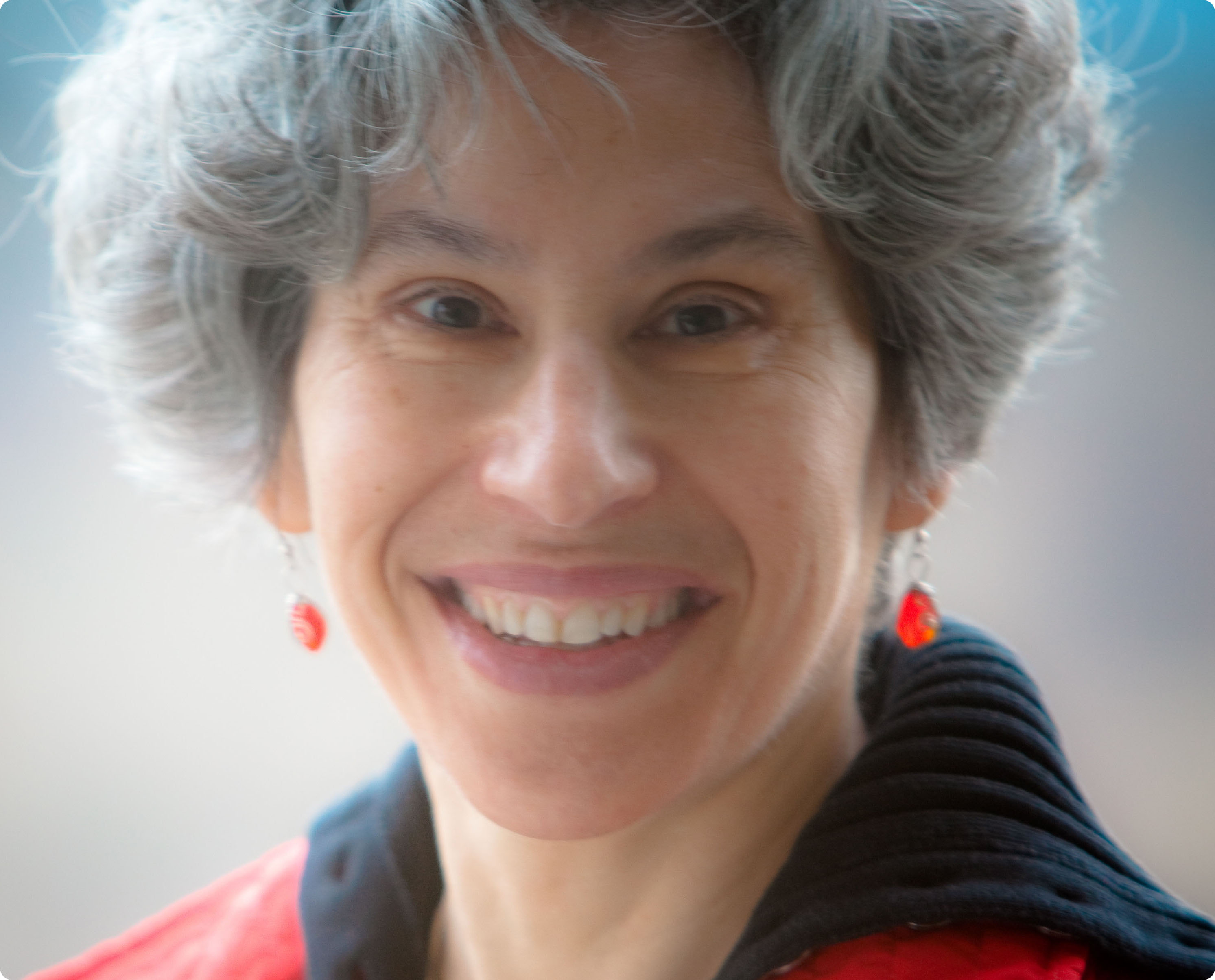 Peggy Holman (moderator), Co-Founder of Journalism That Matters
Peggy is a nationally known author and consultant and is a recognized leader in deploying group processes that directly involve hundreds, or thousands, of people in organizations or communities in achieving breakthroughs. In 2001, Peggy co-founded Journalism That Matters (JTM) with three career journalists. JTM has built a national coalition of journalists, educators, reformers and others to support people who are reshapingthe emerging news and information ecosystem. 
Christa Case Bryant, Politics Editor for the Christian Science Monitor
Christa is The Christian Science Monitor’s new Politics editor. She comes to this post fresh off a 2015-16 stint as a Nieman fellow at Harvard, where she explored new models for digital journalism and audience engagement. Ms. Bryant previously served as the Monitor’s Jerusalem bureau chief.
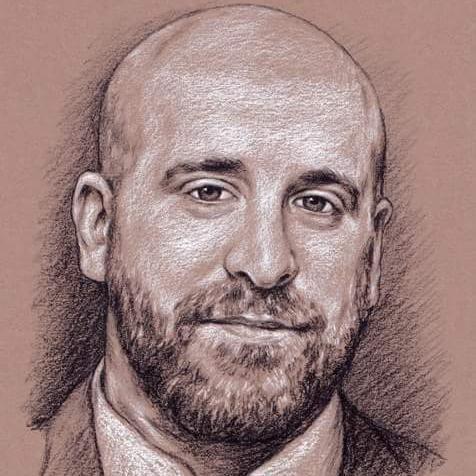 Chris Faraone, Co-Founder of the Boston Institute for Nonprofit Journalism
Chris is an award-winning journalist (AAN, NENPA), a former Boston Phoenix Staff Writer, and the News + Features Editor of DigBoston, a co-founder of the Boston Institute for Nonprofit Journalism, and an adjunct professor of communications at Salem State University. He has more than ten years of media experience, has published four books, and has written features for publications ranging from Columbia Journalism Review to Esquire.

Linda Miller, Director of Network Journalism & Inclusion, American Public Media Group
Linda Miller became a journalist in the small towns of Wyoming, where newspapers were pieced together with hot wax and border tape, and held together by trust, transparency, and a partnership with readers. At American Public Media, she is still helping journalists deepen relationships with the communities they serve, albeit with better technology. Miller runs the Public Insight Network (PIN), a nationally recognized platform for making the news media more relevant, relational, and inclusive.
 Ellen Mayer, Community Manager, Hearken
Ellen Mayer became an early Hearken convert when she interned and reported stories for WBEZ’s Curious City. Now she’s excited to foster a collaborative network of public powered journalists as Hearken’s community manager. Previous hats include: digital outreach coordinator for social justice documentaries and producer for the music podcast Pitch. Excited about: media diversity, One Direction, and Chicago rap.
 Michelle Ferrier, Ph.D., E.W. Scripps School of Journalism, Ohio University
Michelle Ferrier is an associate professor in the E.W. Scripps School of Journalism at Ohio University. She is the president of Journalism that Matters and the founder of TrollBusters.com, a rescue service for women writers and journalists experiencing online harassment. She is the principal investigator for the Media Deserts Project that uses GIS technologies to examine places in the United States where fresh news and information are lacking.
Philanthropy Beyond Partisan Divides Panel
A frank exchange with funders and philanthropists is urgently needed. On the second day of the conference, our panelists and conference participants will focus on the financial constraints — and opportunities — facing our field. Panelists will share their experiences around funding “bridging the divides” projects and organizations, and share practical ideas about how leaders in this field can be more effective advocates for their work during conversations with funders. Meanwhile, conference participants will challenge panelists with their provocative, timely questions and commentary about the role that funders play in the development of the D&D field.
Our Panelists
 Mark Gerzon (moderator), President of Mediators Foundation
Mark is an author, leadership expert, and veteran convener of cross-party conversations. His primary current focus is having a positive, transformative impact impact on the 2016 election. His newest book, The Reunited States of America: How We Can Bridge the Partisan Divide, shares the basic principles and profiles the leading figures in this movement.
 Kahlil Byrd, Forward Progress in Politics
Kahlil Byrd’s expertise is building and leading large, disruptive technology based bipartisan reform organizations. He was president of the education reform effort StudentsFirst and cofounder and CEO of Americans Elect. His current firm, Forward Progress in Politics (FPPCO) is building a national bipartisan community of funders committed to essential and aggressive issue reform and political transformation. 
John Hardin, Charles Koch Foundation
John is director of university relations at the Charles Koch Foundation, a charitable organization that supports hundreds of schools and scholars working to expand opportunities on campuses across the country. He manages relationships with partner universities, organizations, and donors to support programs that explore the ideas of a free society.
 David Nevins, Bridge Alliance
David is President of the Bridge Alliance, an alliance of 43 organizations who have come together in civility, respect, and goodwill advocating “Country Before Party.” David is a Fellow at the Aspen Institute with a particular interest in supporting the Aspen Rodel Fellowship in Public Leadership, a program designed to support political leaders committed to sustaining the vision of a political system based on thoughtful and civil bipartisan dialogue. Additionally, Nevins has established and is involved with The Nevins Democracy Leaders program, a signature initiative within The McCourtney Institute for Democracy at Penn State.
 Leslie Pine, The Philanthropic Initiative
Leslie is Managing Partner at the Philanthropic Initiative (TPI) and has been the principal architect of their creative approach to program design and strategy, managing TPI’s program staff in the research, design, implementation, and evaluation of a wide range of innovative philanthropic strategies and initiatives. She has designed a range of philanthropic strategies including various youth development and mentoring initiatives; grants initiatives to stimulate innovation in K-12 schools and in community programs; corporate models to promote employee giving and community engagement; and initiatives designed to leverage grassroots community improvement efforts.
We can’t wait to be part of the discussion with these incredible journalists and philanthropists. And we know that you won’t either so be sure that you’ve registered today to join us in Boston later this month!