What’s Free College Got To Do With Completion?
Reply


Participedia’s Design & Technology (D&T) Committee recently applied for the Collective Intelligence for Democracy workshop, hosted by Medialab Prado in Madrid. Their proposal, “Mapping Democratic Innovation” -- an idea jam based on foundational data and technology of Participedia -- was selected as one of eight featured projects for the event!
In the burgeoning genre of books focused on building a new and benign world order – a challenge variously known as the “new economy,” “Great Transition,” and the “Great Turning” among other terms) – John Thackara’s new book stands out. How to Thrive in the Next Economy: Designing Tomorrow’s World Today is low-key and sensible, practically minded and solidly researched. Written in an amiable, personal voice, the book is persuasive and inspirational. I can only say: Chase it down and read it!
It’s a shame that so many brave books that imagine a post-capitalist world surrender to grandiose theorizing and moral exhortation. It’s an occupational hazard in a field that is understandably wants to identify the metaphysical and historical roots of our pathological modern times. But critique is one thing; the creative construction of a new world is another.
That’s why I found Thackara’s book so refreshing. This British design expert, a resident of southwest France, wants to see what the design and operation of an ecologically sustainable future really looks like, close-up. He is also thoughtful enough to provide some depth perspective, following his own motto, “To do things differently, we need to see things differently.”
How to Thrive in the Next Economy seeks to answer the question, “Is there no escape from an economy that devours nature in the name of endless growth?” The short answer is Yes! There is an escape. As Thackara shows us, there are scores of brilliant working examples around the world that demonstrate how to meet our needs in more responsible, fair and enlivening ways.
He takes us by the hand to survey a wide variety of exemplary models-in-progress. We are introduced to scientists and farmers who are discovering how to heal the soil by treating it as a living system. We meet urbanists who are re-thinking the hydrology of cities, moving away from high-entropy engineered solutions like reservoirs and sewers, to smaller, localized solutions like wetlands, rain gardens, ponds and worm colonies. Other bioregionalists are attempting to de-pave cities and bring permaculture, gardens, “pollinator pathways” and informal food systems into cities.
We hope that you are as excited as we are for NCDD 2016 to kick off next week after seeing this week’s previews of our great plenary features! It’s still not too late to register for this incredible event, but time is running out, so register today!
In addition to all the amazing practitioners and innovators who will be featured during the great workshop sessions, we will also be lifting up the voices of some remarkable leaders in our field who will share important insights they’ve gained from their work, that we can all learn from. Just to give you one more taste of how much there will be to experience at NCDD 2016, we want to introduce them here.
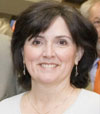 Betty Knighton, Director of the West Virginia Center for Civic Life
Betty Knighton has been the director of the West Virginia Center for Civic Life since its founding in 1998. A primary focus of her work has been building a network of public dialogue in the state through collaborative partnerships with educational, civic, faith-based, and governmental organizations.
Betty will talk with us about her experiences bridging economic divides, and how this work connects community members, leaders, media, and philanthropists.
 Shari Davis, Director of Strategic Initiatives at the Participatory Budgeting Project
Shari is responsible for the strategic development and management of PBP’s network-building work and for launching new high impact PB processes. She joined PBP staff after nearly 15 years of service and leadership in local government. As Director of Youth Engagement and Employment for the City of Boston, she launched Youth Lead the Change, the first youth participatory budgeting process in the U.S., which won the U.S. Conference of Mayors’ City Livability Award. Shari first got involved in city government in high school, serving as the Citywide Neighborhood Safety Coordinator on the Boston Mayor’s Youth Council and working at the Mayor’s Youthline.
Shari will talk with us about creative uses of technology designed by PB participants to bridge physical divides and create welcoming spaces in government. She’l share some key and simple strategies that can allow us to collaboratively move work forward without eliminating human elements.
 Kyle Bozentko. Executive Director of the Jefferson Center
Kyle brings a decade of political strategy and public policy experience to directing the Jefferson Center. He received his BA in Political Science and Religious Studies from Hamline University in Saint Paul and his Masters of Theological Studies from the Boston University School of Theology with an emphasis on sociology of religion and politics. His research interests include public opinion research, health and economic policy, and social movements.
Kyle will talk with attendees about his experience working with media and journalists to enhance the reach and impact of his organization’s D&D and engagement work.
 Carolyn Lukensmeyer, Executive Director of the National Institute for Civil Discourse
Dr. Carolyn J. Lukensmeyer is the Executive Director of the National Institute for Civil Discourse, an organization that works to reduce political dysfunction and incivility in our political system. As a leader in the field of deliberative democracy, she works to restore our democracy to reflect the intended vision of our founding fathers. In her past role, Carolyn served as Founder and President of AmericaSpeaks, an organization that promoted nonpartisan initiatives to engage citizens and leaders through the development of innovative public policy tools and strategies.
Carolyn will share her perspective on the what she’s seen our field accomplish in the past decades and some lessons those accomplishments can teach about bridging our divides.
We just don’t how else to describe how amazing the NCDD 2016 gathering is going to be, so you’ll just have to come see for yourself! Time is running out – save your spot today!

Yesterday, I was deeply troubled to hear that Trump referred to suicidal veterans with PTSD as people who “can’t handle it” (CNN). It sounded, read in the news, like another incredibly callous remark, like so many that he has made. When you watch the video of him saying the words, you see that he was trying to speak sympathetically to the difficulties that veterans face when they witness traumatic events. That fact leads some people to want to defend Trump from the unfair media, and from others’ allegedly unfair reactions.

There’s certainly some merit to the idea of encouraging people to dig deeper. Folks need to understand two things, however. 1) His remarks displayed a disrespectful, troubling set of assumptions even if he meant to be sympathetic. 2) Trump once deserved the benefit of the doubt, but his words and actions forfeited it long ago. Procedurally, he’ll always have the benefit of the doubt in the courtroom, but you have to deserve it in the court of public opinion.
Trump calls people “losers” all the time (170 examples in the Washington Post), and himself “smart” for paying no taxes. He sees people’s misfortunes as demonstrations of their own failings. You can’t get a clearer example of this than in the language he used to describe veterans who commit suicide. “Handling it” is something you’re supposed to do when you have a problem. Even if he was trying to speak sympathetically, and I’m sure he was, he referred to PTSD in terms of an inability for veterans to handle their problems. Imagine saying that a deceased mother’s problem was that she couldn’t handle her cancer. If you hear how jarring that sounds, you can see what’s so troubling and ignorant in Trump’s remarks. PTSD isn’t a little bit of everyday work stress turned up several levels. It’s a serious matter of mental illness. It’s akin to cancer.
So, when reporters who felt that his language was troubling wrote that “Military suicides happen to service members who ‘can’t handle it’,” it rubbed a lot of people wrong. He has said so many things that have been deeply callous, troubling, and unacceptable for a Presidential candidate that folks encountering that reporting have cause to worry and be dismayed by this man’s careless statements.
For critical thinkers and readers, it’s important to give people the benefit of the doubt. When I first read the article, it sure sounded as though he was being as callous and judgmental as so many instances in the past. For public figures, we ought to dig deeper and try to make sure that our judgments are deserved. A figure can abuse that, however, and there’s no doubt that the public has heard so much troubling bigotry from Trump that we’ve become desensitized to it.
I want our judgments to be well informed and fair, but at least as important is the obligation of our officials to deserve the benefit of the doubt. Trump has forfeited that honor contemptuously. Three examples of hundreds make the matter plain for me:
This final example explains my lack of sympathy for those who believe Trump was interpreted unfairly. Maybe some commentator thought he meant to be hurtful, and probably that person was wrong. That doesn’t mean that Trump deserves the benefit of the doubt. He has so profoundly demeaned the role of the American Presidential candidate that he has forfeited sympathy over a few people’s snap judgments.
If evidence matters to you, here’s a New York Times list of 258 people, places, and things that Donald Trump has insulted, as of August 22nd.
Sure, I’ll always advocate for innocent til proven guilty in court. But in the public sphere and in the pursuit of the highest office in the United States of America, you’ve got to deserve the benefit of the doubt. It’s time for people who care about values to mean it.
Dr. Eric Thomas Weber is Executive Director of the Society of Philosophers in America (SOPHIA) and Visiting Associate Professor of Philosophy at the University of Kentucky. He is representing only his own point of view. Follow him on Facebook and on Twitter.
If Hillary Clinton is elected in November, the parallels with the start of the George H.W. Bush Administration will be striking. That does not imply that Clinton’ presidency must follow the trajectory of his: history rarely echoes, and her luck as well as her personal qualities may prove different. But she will begin where he did.
Bush the Elder ran for president in 1980 as the favorite of his party. He had the longest resume, stood near the ideological center of the traditional GOP, had close ties with powerful leaders in business, government, and foreign capitals, and was the son of a US Senator. He lost to the insurgent Ronald Reagan, who represented “change.” Bush served loyally in the Reagan Administration and then ran to succeed his boss and uphold a legacy that he had not originally endorsed.
Hillary Rodham Clinton ran in 2008 as the favorite of her party, with a long resume, relationships comparable to Bush Senior’s, and the support of party regulars. She was the spouse of a former president and had helped him to define the ideological center of the New Democrats. She was defeated by an insurgent who represented “change,” but she then served loyally in his administration and is running to preserve his legacy.
Both candidates were distrusted by the ideological base of their party. Bush 41 had to beat Pat Buchanan in 1988. Buchanan turned out to represent a powerful strand in the future of the GOP. Bush promised “No new taxes” to satisfy his base. Clinton had to beat Bernie Sanders in 2016. The demographics of Sanders’ support suggest that he represents a major strand in the future of the Democratic Party. Clinton has made policy concessions to satisfy Sanders voters (and Black Lives Matter).
Mike Dukakis is a fine public servant and an exemplary person, but he ran a notably weak campaign against George H.W. Bush in 1988. Donald Trump cannot hold a candle to Gov. Dukakis as a human being, but Trump is also running a poor campaign.
Although both George H.W. Bush and HRC are capable, detail-oriented policymakers who are said to be impressive in private, neither has the kind of eloquence that leaves a mark on the language or memory. Bush Senior is known for “Read my lips” and “Message: I care.” I don’t think Hillary Clinton is yet associated with any particular phrases.
Bush 41 faced a Democratic Congress with formidable opposition tacticians, such as Senate Majority Leader George Mitchell. HRC is likely to face at least a Republican House in 2017, and probably a Republican Senate after 2018. In the face of congressional opposition, Bush achieved no changes in domestic policy other than a grand compromise on the budget that lost him the support of the Republican base. Clinton will have to negotiate budgets with the Republican House. Bush left a much bigger mark on foreign policy. Clinton has also demonstrated that she is willing to use executive power overseas. Both confront a war in and around Iraq
When Bush the Elder took office, an economic recovery was 7 years and three months old and had only 18 months left to run. When our next president takes the oath of office, the current recovery will be seven-and-a half years old and probably can’t last much longer. Both also inherit a party apparatus that is pretty tired after almost a decade in control of the executive branch.
Again, none of this implies or predicts that Clinton (assuming that she is elected) will follow the path of Bush Senior. New realities will confront her, and she has some freedom to act differently. But the parallels are a bit sobering and deserve some thought.
If Hillary Clinton is elected in November, the parallels with the start of the George H.W. Bush Administration will be striking. That does not imply that Clinton’ presidency must follow the trajectory of his: history rarely echoes, and her luck as well as her personal qualities may prove different. But she will begin where he did.
Bush the Elder ran for president in 1980 as the favorite of his party. He had the longest resume, stood near the ideological center of the traditional GOP, had close ties with powerful leaders in business, government, and foreign capitals, and was the son of a US Senator. He lost to the insurgent Ronald Reagan, who represented “change.” Bush served loyally in the Reagan Administration and then ran to succeed his boss and uphold a legacy that he had not originally endorsed.
Hillary Rodham Clinton ran in 2008 as the favorite of her party, with a long resume, relationships comparable to Bush Senior’s, and the support of party regulars. She was the spouse of a former president and had helped him to define the ideological center of the New Democrats. She was defeated by an insurgent who represented “change,” but she then served loyally in his administration and is running to preserve his legacy.
Both candidates were distrusted by the ideological base of their party. Bush 41 had to beat Pat Buchanan in 1988. Buchanan turned out to represent a powerful strand in the future of the GOP. Bush promised “No new taxes” to satisfy his base. Clinton had to beat Bernie Sanders in 2016. The demographics of Sanders’ support suggest that he represents a major strand in the future of the Democratic Party. Clinton has made policy concessions to satisfy Sanders voters (and Black Lives Matter).
Mike Dukakis is a fine public servant and an exemplary person, but he ran a notably weak campaign against George H.W. Bush in 1988. Donald Trump cannot hold a candle to Gov. Dukakis as a human being, but Trump is also running a poor campaign.
Although both George H.W. Bush and HRC are capable, detail-oriented policymakers who are said to be impressive in private, neither has the kind of eloquence that leaves a mark on the language or memory. Bush Senior is known for “Read my lips” and “Message: I care.” I don’t think Hillary Clinton is yet associated with any particular phrases.
Bush 41 faced a Democratic Congress with formidable opposition tacticians, such as Senate Majority Leader George Mitchell. HRC is likely to face at least a Republican House in 2017, and probably a Republican Senate after 2018. In the face of congressional opposition, Bush achieved no changes in domestic policy other than a grand compromise on the budget that lost him the support of the Republican base. Clinton will have to negotiate budgets with the Republican House. Bush left a much bigger mark on foreign policy. Clinton has also demonstrated that she is willing to use executive power overseas. Both confront a war in and around Iraq
When Bush the Elder took office, an economic recovery was 7 years and three months old and had only 18 months left to run. When our next president takes the oath of office, the current recovery will be seven-and-a half years old and probably can’t last much longer. Both also inherit a party apparatus that is pretty tired after almost a decade in control of the executive branch.
Again, none of this implies or predicts that Clinton (assuming that she is elected) will follow the path of Bush Senior. New realities will confront her, and she has some freedom to act differently. But the parallels are a bit sobering and deserve some thought.
With the 2016 National Conference on Dialogue & Deliberation less than two weeks away, we are continuing to preview the great content we have in store for conference attendees. It’s still not too late to register for this incredible event, but you should register today to save your spot! For those of you who still need more convincing, we want to highlight the powerful set of speakers we will feature during the NCDD 2016 opening plenary.
One of the longest and most visible divides in our country today is the racial divide. Racial division and inequity have a long history in the US, and seem to perennially resurface in our communities and in our politics. In addition, the division between average people – especially people of color – and the police feels like it’s reaching crisis levels with the heightened tensions and conflict rising from seemingly weekly videos of new police violence against unarmed black and brown people combined with the killings of several police officers this summer.
It’s easy to feel hopeless and even afraid about these issues today, which is exactly why we in the dialogue field need to lifting up stories of how people are actively healing our race and community-police divides to show that there is in fact hope. We’ll begin our opening plenary by doing just that.
You can read a bit more about the three practitioners who will be sharing stories with us below, or just register for NCDD 2016 to come hear from them in person!
Shelby Brown, Managing Director of Everyday Democracy
Shelby is currently the Managing Director at Everyday Democracy, which helps communities talk and work together to create communities that work for everyone. Prior to working at Everyday Democracy, Shelby ran an agency for the State of Connecticut and before that, she served in human resource leadership within the Board of Regents for Higher Education. Shelby has long been involved in community organizing, participatory democracy and racial justice.
We’ll hear from Shelby about how the work she and EvDem are doing is bridging racial divides in communities across the country.
 India L. Gerald, Program Supervisor at Roxbury’s Youth and Police in Partnerships
India serves as the Program Supervisor for Children’s Services of Roxbury’s Youth and Police in Partnerships program, which seeks to build trust and understanding between inner city residents and Boston police. For the past decade, she has worked to support vulnerable and at risk populations. India has extensive experience with Boston-based nonprofits, including Brookview House Inc., ABCD, Go Girl Go! Boston, Dimock and Women Connecting Affecting Change. In addition, to her experience she holds a Bachelors degree in Human Services and a Masters degree in Organizational Management and Leadership.
India will talk about her experiences working to empower young people in Boston to keep the gap between police and young people from growing wider.
 Robert Daum, Ph.D., Board of Directors of Reconciliation Canada
Robert Daum is an educator, researcher/practitioner, and private consultant. He advises on and leads diversity and institutional change initiatives for universities, government, and not-for-profit organizations. Robert serves on the inaugural Board of Reconciliation Canada, which is leading the way in engaging Canadians in dialogue and transformative experiences that revitalize the relationships among Indigenous peoples and all Canadians.
Robert will share a few lessons about bridge building that we in the US can learn from his experiences with the powerful reconciliation work being done between Canada’s indigenous and non-indigenous communities.
You won’t want to miss out on hearing these powerful stories in our opening plenaries or the rest of this amazing conference, so make sure that you get registered to join us!